This year’s edition of the FORCE11 conference was hosted in June by Singapore Management University. Its title, “To Go Far, Go Together: Advancing Scholarly Communication Across Boundaries and Disruptions” truly resonates with Crossref’s truths; it takes a village! Crossref only works as long as the scholarly research community wants to work together globally, across all disciplines, for integrity and openness of the scientific record. The conversations were influenced by a genuinely diverse mix of librarians, researchers, open infrastructures, and service providers, and that mix shaped almost every interaction we had at the conference.
We have some rather unusual news to share: Crossref fees are going down again. At its meeting in Paris earlier this month, the Crossref Board approved two further recommendations from the Resourcing Crossref for Future Sustainability (RCFS) project: effective 1st January 2027, we will reduce the majority of Content Registration fees for all 25,000 members, and remove fees for back-year records altogether.
Content Registration fees haven’t increased in around 20 years, and this is the first significant change to them in that time—downwards. Since these fees account for the largest share of Crossref’s revenue (around 60%), and since every member registers DOI records, these changes reach further than anything we’ve announced under the RCFS project so far.
The infrastructure that registers and distributes Crossref metadata has been running and growing for more than two decades. It now does considerably more than it was built to do, and it shows: two large, tightly coupled monoliths (Content System and REST API), where a change in one place risks breaking something in another.
In its July meeting, the Crossref board approved the use of Crossref surplus funds for a three-year project to accelerate the redesign of the Crossref system. Our plan is to use $1.6 million a year for three years (~USD $4.9M in total) from our surplus funds, which will help us set up a modern infrastructure consisting of separate services for the different functionalities that the Crossref system offers.
In December 2026, we plan to publish new Crossref Member Practices which will set out the standards we expect all Crossref members to meet. From August to October 2026 we are consulting with our members on a draft of these Member Practices. This blog provides the background to this, and explains how you can share your views.
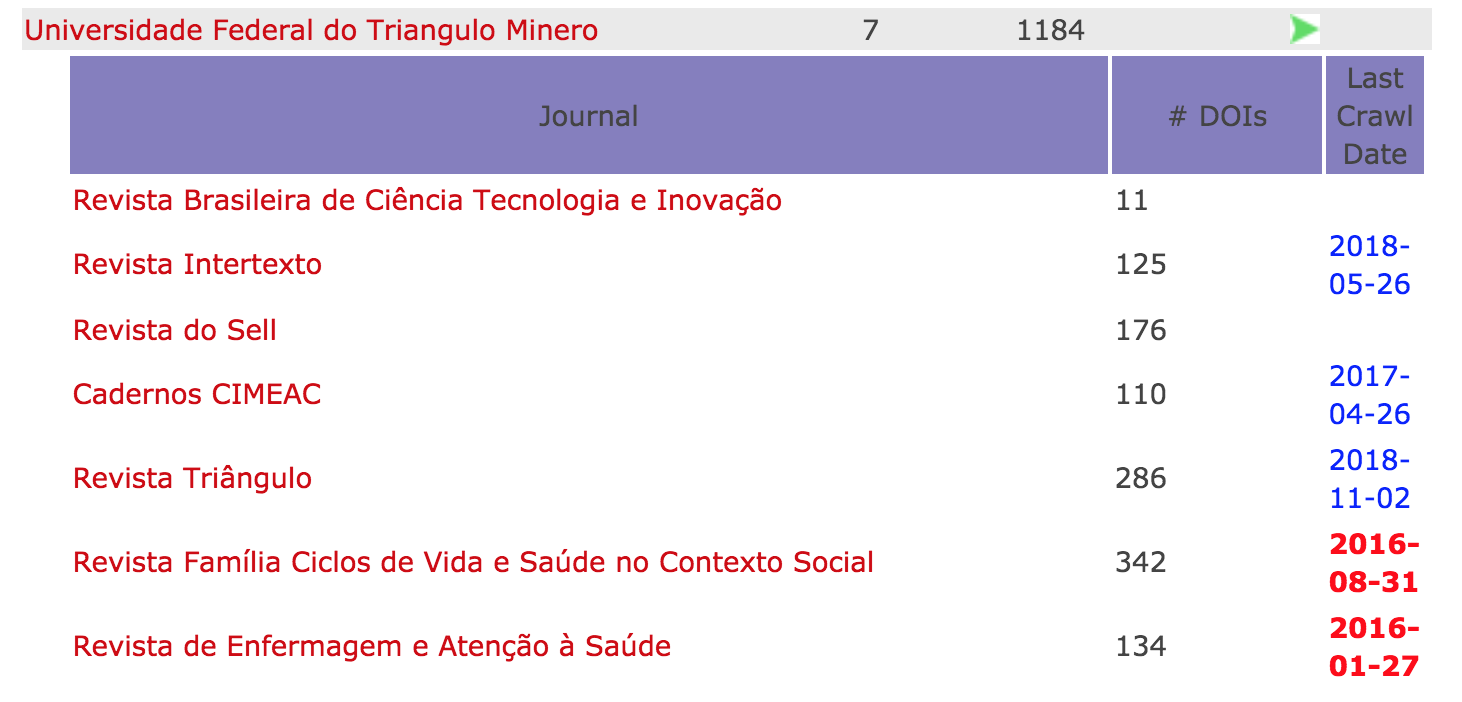
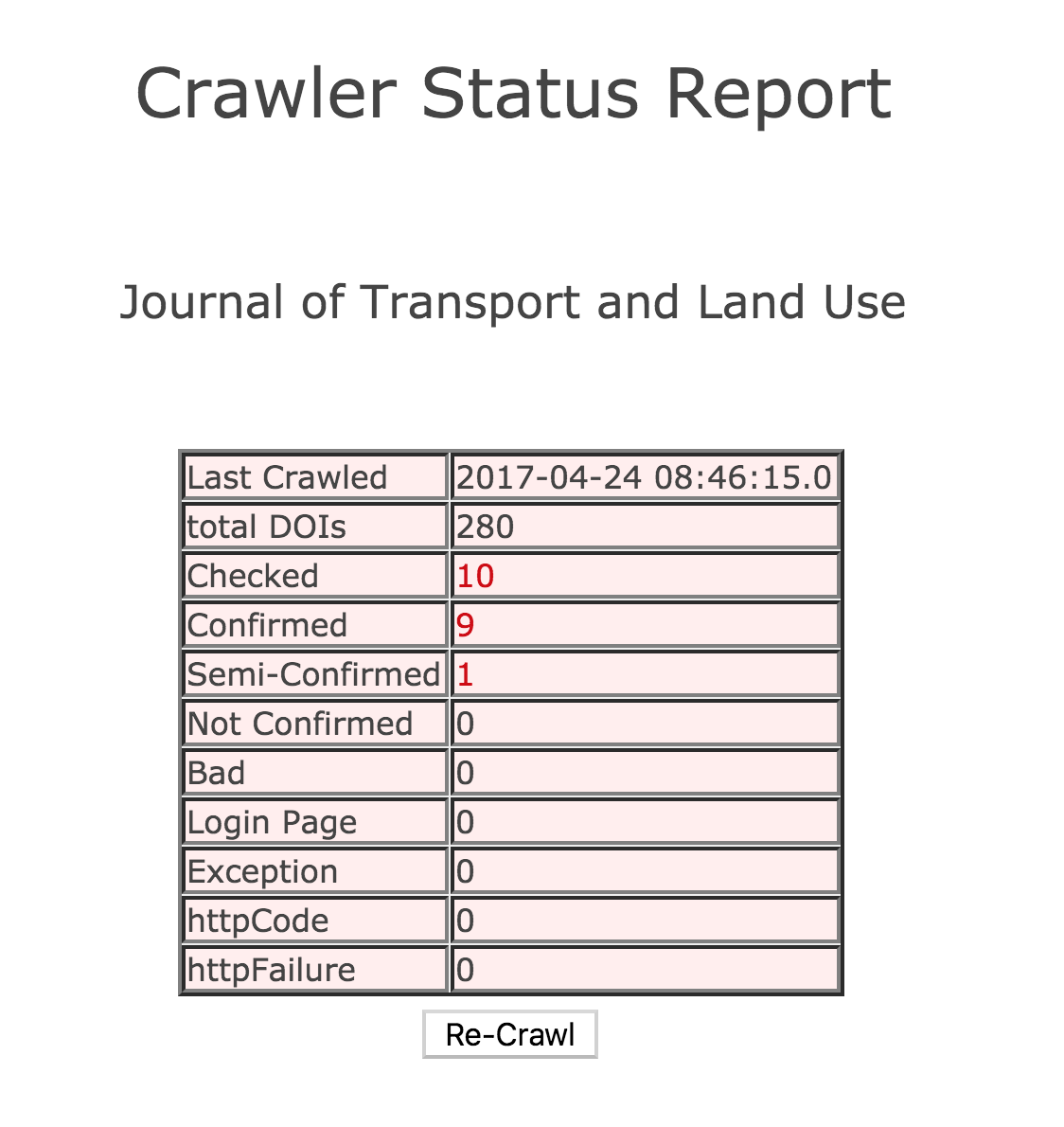
We test a broad sample of DOIs to ensure resolution. For each journal crawled, a sample of DOIs that equals 5% of the total DOIs for the journal up to a maximum of 50 DOIs is selected. The selected DOIs span prefixes and issues.
The results are recorded in crawler reports, which you can access from the depositor report expanded view (access the depositor reports by type at the links below).